
Vessel Tide | A Guide to Essential Maritime Data Analytics Systems » List of Marine Fleet Management Software Providers » Hoppe Marine Fleet Management System: Features, Data Services, and More
Hoppe Marine Fleet Management System: Features, Data Services, and More
Index
View All
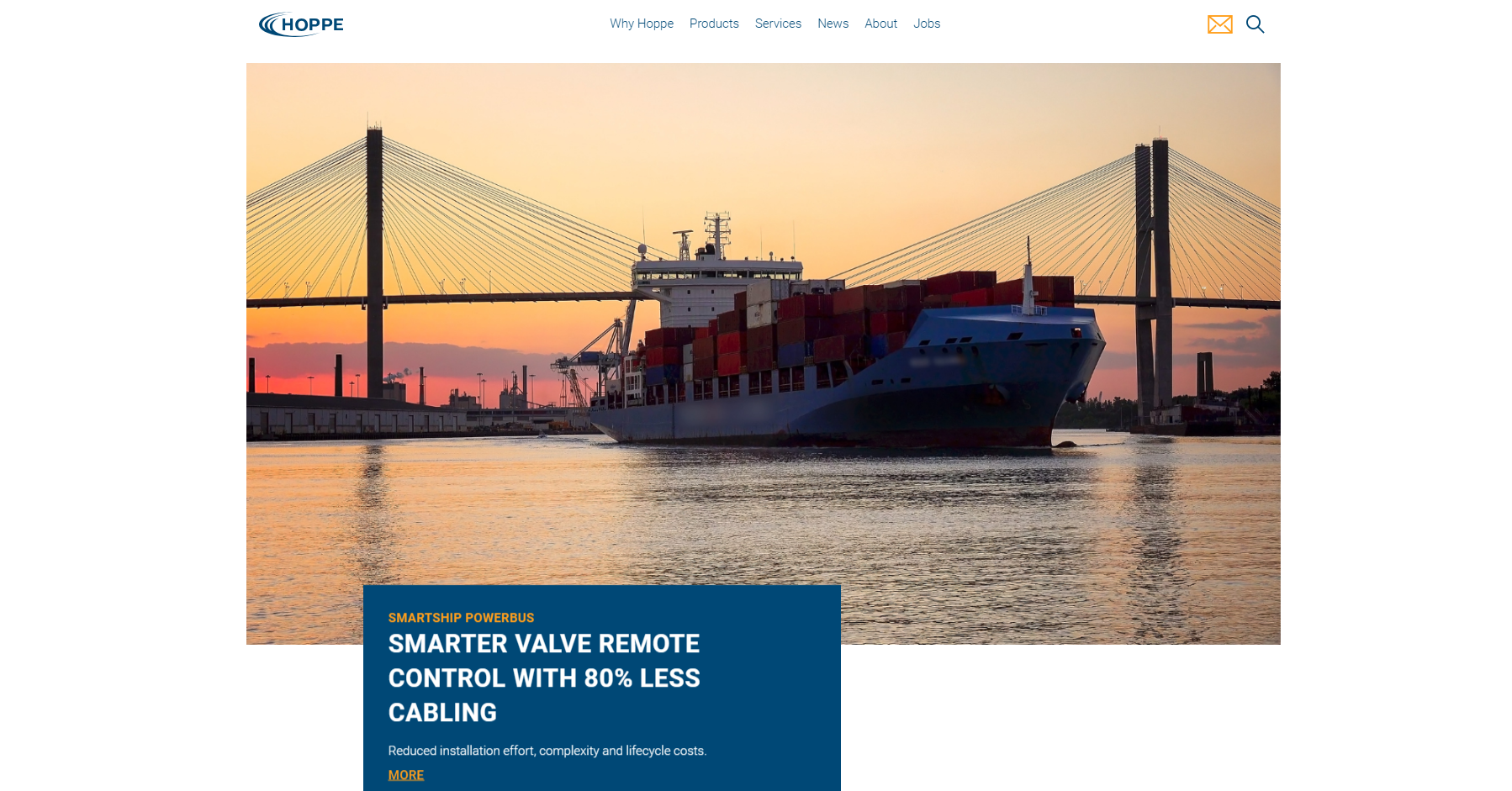
*Image source: Hoppe Official Website
(https://www.hoppe-marine.com/)
(https://www.hoppe-marine.com/)
Hoppe Marine supports fleet digitalization by connecting vessel data, onboard systems, performance monitoring, and shore-side applications. For companies comparing marine fleet management systems, Hoppe Marine is not a typical all-in-one fleet administration platform. It is better reviewed as a maritime technology provider for vessel data integration, performance monitoring, and ship-system connectivity.
Its Fleet Connect and Performance Monitoring solutions are designed for operators that need cleaner vessel data, stronger integration between ship and shore, and a more reliable foundation for reporting, optimization, and remote service workflows.
Key Takeaways
- Hoppe Marine is most relevant for vessel data integration, performance monitoring, and onboard system connectivity—not broad administrative fleet management alone.
- Fleet Connect supports onboard and shore-side data use through APIs, cloud storage, data quality tools, and integration with third-party applications.
- Performance Monitoring gives operators a data acquisition layer for vessel operation, including SQL database support, maker interface experience, and retrofit references.
- U.S. buyers should confirm implementation scope, supported onboard systems, cybersecurity requirements, service coverage, and integration needs before shortlisting Hoppe Marine.
What Is Hoppe Marine?
Hoppe Marine is a marine technology company focused on fluid control, sensor technology, control systems, vessel performance, and fleet-related services. The company describes itself as a Fluid Control and vessel performance expert, with long-standing marine experience and a large installed base across ships and maritime systems.
For fleet management buyers, the key distinction is Hoppe Marine’s connection to onboard systems. Its offering is not limited to dashboards or office-side reporting workflows. The company’s product areas include Fluid & Floating, Performance & Energy, and Fleet Services, which gives Hoppe Marine a system-level role in the vessel data operators may need to collect, standardize, and use ashore.
That matters when a fleet digitalization project depends on real shipboard data. If the project involves sensors, control systems, performance systems, or existing onboard equipment, Hoppe Marine should be reviewed as a vessel data and performance monitoring provider rather than only as a fleet software vendor.
Main Systems and Solutions Related to Fleet Management
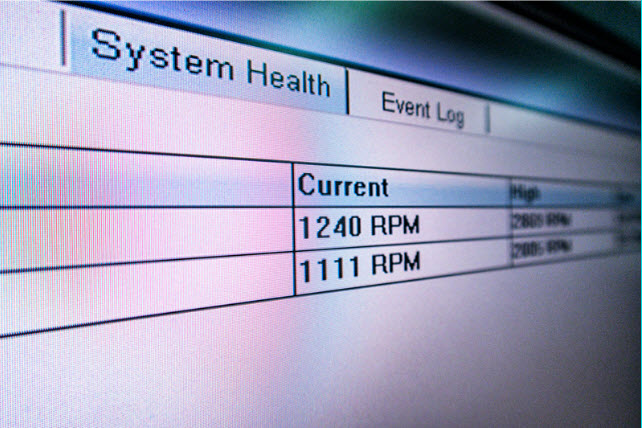
*Image source: Hoppe System Preview
(https://www.hoppe-marine.com/services)
(https://www.hoppe-marine.com/services)
Fleet Connect for vessel data integration
Fleet Connect is Hoppe Marine’s data integration solution for connecting vessel data with onboard and shore-side use cases. It is built around standardized data, API access, data quality, cloud storage, and interoperability with partner systems.
The system can support use cases such as vessel performance monitoring, emissions reporting, ship modeling, retrofits, and monitoring of Hoppe systems. For operators building a broader digital fleet environment, Fleet Connect can serve as the link between onboard data sources and tools such as eLogs, noon reporting, vessel performance platforms, voyage optimization systems, hull performance systems, and data warehouses.
The value for buyers is not just access to vessel data. Fleet Connect gives operators a more flexible way to decide how that data is shared, routed, and used across selected partners and applications through APIs.
Performance Monitoring for vessel operation data
Hoppe Marine’s Performance Monitoring platform gives operators a foundation for collecting and processing vessel data before it is used in shore-side analysis, reporting, or optimization workflows.
The platform includes a data acquisition platform, a high-performance SQL database, data quality service, interface experience with more than 100 makers, and several hundred retrofit references. These details are important for existing fleets, where equipment variety and data quality often determine whether a performance monitoring project produces usable operational insight.
For technical teams, Performance Monitoring can act as the data layer behind decisions on fuel consumption, operational efficiency, vessel performance, and future system upgrades. It is worth reviewing when a fleet includes mixed vessel ages, different equipment makers, or retrofit requirements.
Related marine systems and fleet services
Hoppe Marine’s wider portfolio includes valve remote control, anti-heeling, tank content measurement, roll damping, floating monitoring, spare parts, technical service, retrofit work, and upgrade services.
These related systems do not turn Hoppe Marine into a full fleet management suite on their own. They do explain why the company’s data services are closely tied to onboard equipment and vessel operation. Buyers comparing software-only platforms should check whether Hoppe Marine’s ship-system background gives them an advantage for their specific data, monitoring, and service requirements.
Key Features to Check When Evaluating Hoppe Marine
Hoppe Marine should be evaluated by looking at data readiness, integration depth, and vessel-side implementation. The core question is not only what the software displays, but which data it can connect, how that data is standardized, and how easily it can support the applications the operator already uses.
| Evaluation area | What to check |
|---|---|
| Data integration | Which onboard systems, sensors, and data sources can be connected? |
| API access | Whether onboard and shore-side APIs can support the operator’s preferred applications and reporting tools. |
| Data quality | Whether internal teams will manage data quality themselves or use Hoppe Marine’s data analysts and service technicians. |
| Cloud storage | How vessel data is transmitted, stored, backed up, and accessed. |
| Cybersecurity | Which security standards, regulations, and internal IT requirements need to be reviewed before deployment. |
| Partner flexibility | Whether the system can connect with eLogs, noon reporting, voyage optimization, hull performance, or data warehouse environments. |
| Retrofit support | Whether existing vessels can be upgraded without treating the project as a newbuild-only deployment. |
| Service network | Which Hoppe Marine office or partner will support commissioning, service, and technical requests for the target vessels. |
This evaluation approach keeps the comparison practical. A buyer focused on vessel data, performance monitoring, and ship-to-shore data use should look more closely at Hoppe Marine’s integration and monitoring capabilities.
Supported Use Cases
Hoppe Marine is most useful when fleet digitalization depends on reliable vessel data and technical integration with onboard systems.
- Vessel performance monitoring
- Emissions reporting support
- Ship-to-shore data transfer
- Fleet digitalization projects
- Retrofit projects for existing vessels
- Data connection with eLogs and noon reporting tools
- Integration with voyage optimization, hull performance, or data warehouse environments
- Monitoring of Hoppe Marine systems across the fleet
The strongest use cases are data-led. Operators that need a single portal for administrative fleet workflows should compare Hoppe Marine with broader fleet management platforms. Operators that need trusted vessel data for reporting, optimization, or system monitoring should take a closer technical look at Fleet Connect and Performance Monitoring.
Service Network and U.S. Availability
Hoppe Marine lists a worldwide network of its own service technicians and trained personnel at service partners. For U.S.-based buyers, the official site lists Hoppe America in Camp Hill, Pennsylvania, and SCI - Standard Calibration Inc. in Chesapeake, Virginia as part of the network.
The official site also lists 24/7 technical support. That is important for fleets operating across time zones, but buyers should still confirm the practical service model before moving forward. Ask which entity will support the project, which services are available in the United States, how commissioning is handled, and whether support differs by vessel location, system type, or project scope.
What to Confirm Before Shortlisting Hoppe Marine
A productive discussion with Hoppe Marine should start with the vessel data problem, not just the software category. Before shortlisting the system, prepare a clear view of the vessels, onboard systems, reporting needs, and applications that must exchange data.
- Which vessels and onboard systems need to be connected?
- Which APIs, databases, and reporting tools must be supported?
- Are existing vessels part of the project, and will retrofit support be required?
- Who will manage data quality: the operator, Hoppe Marine, or a shared process?
- What cybersecurity standards and internal IT requirements apply?
- How will data ownership, access rights, and partner access be handled?
These questions help distinguish Hoppe Marine from fleet management systems built primarily around administrative workflows. They also help technical and procurement teams decide whether Hoppe Marine should be evaluated as a data integration layer, a performance monitoring solution, a marine systems partner, or a combination of those roles.
How Hoppe Marine Compares with Other Marine Fleet Management Systems
Hoppe Marine is strongest in comparisons centered on vessel data, onboard integration, performance monitoring, and marine system experience. Fleet Connect and Performance Monitoring focus on the quality, movement, and usability of vessel data, which separates them from platforms built mainly for crew, maintenance, purchasing, voyage administration, or commercial fleet workflows.
That difference can be either an advantage or a limitation. Operators that need onboard system data to feed reporting, optimization, and performance tools should evaluate Hoppe Marine closely. Operators that need a broad fleet operations suite should compare it with platforms that cover more administrative and commercial management functions.
POINT
Compare Systems by What Your Fleet Needs to Manage
Hoppe Marine is a strong option when your project depends on vessel data integration, performance monitoring, and ship-to-shore connectivity. If your team also needs broader fleet functions such as maintenance workflows, compliance management, voyage operations, or office-side reporting, compare multiple systems by technical focus before building your shortlist. This site introduces marine fleet management systems by use case, helping you find platforms that match the data, operations, and management needs of your fleet.
Basic Company Information
| Company Name | Hoppe Marine GmbH |
|---|---|
| Head office | Kieler Str.318, 22525, Hamburg, Germany |
| U.S. network presence | Hoppe America, Camp Hill, Pennsylvania, USA |
| Related U.S. service partner | SCI - Standard Calibration Inc., Chesapeake, Virginia, USA |
| Contact | +49 (0)40 561 949 0 / sales@hoppe-marine.com |
[Advertisement]
3 Recommended
Marine Fleet Management Software
3 Recommended
Marine Fleet Management Software
Advertiser Disclosure:
We receive compensation from some of the companies listed below.This compensation may affect which companies are included and the order in which they appear.
For Frequent Hazardous
or Long-Distance
Voyages
For Marine Fleet
Management Companies
or Long-Distance
Voyages
For Marine Fleet
Management Companies
MaSSA-One

* Image source: BEMAC Official
Website
(https://www.massa-one.com/english/)
(https://www.massa-one.com/english/)
Core Capabilities
Condition monitoring and anomaly detection
- Enables early detection of anomalies using data-driven automatic thresholds and expert-defined multi-condition detection.
- In the event of a failure, real-time data helps speed up root-cause identification, reducing downtime.
- This supports the prevention of future accidents and issues, contributing to reduced damage and losses involving vessels and cargo.
For Companies with
Frequent Business
in the EU
For Marine Shipping
Companies
Frequent Business
in the EU
For Marine Shipping
Companies
DeepSea
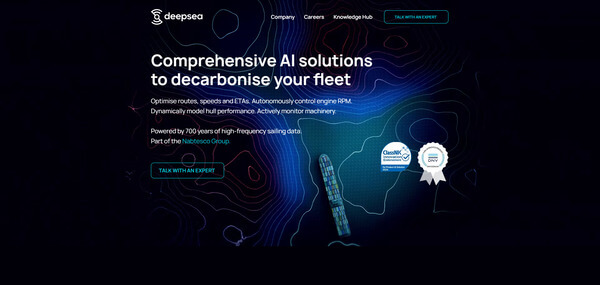
* Image source: DeepSea Official
Website
(https://www.deepsea.ai/)
(https://www.deepsea.ai/)
Core Capabilities
AI Fuel, CII &
Route Optimization
Route Optimization
- With the CII tracking feature, AI helps maintain and predict vessel performance.
- AI dynamically evaluates speeds and routes to suggest more fuel-efficient alternatives
- While complying with Europe-specific restrictions and regulations, it supports operations aimed at lower fuel consumption.
For Fleets with a Mix
of Older and Newly
Built Vessels
For Independent Ship
Management Companies
of Older and Newly
Built Vessels
For Independent Ship
Management Companies
Smart Ship Hub
* Image source: Smart Ship Hub Official
Website
(https://smartshiphub.com/)
(https://smartshiphub.com/)
Core Capabilities
Data integration across a mixed fleet
- Supports aggregation of vessel data across different manufacturers and standards, as well as data from multiple vessels.
- Visualizes information distributed across onboard systems and supports building an environment for centralized management.
- Supports information sharing between shore teams and fleets with older vessels, older equipment, newly built vessels and new equipment.