
Vessel Tide | A Guide to Essential Maritime Data Analytics Systems » Reasons for the Need for Maritime Data Analysis
Reasons for the Need for Maritime Data Analysis
Index
View All
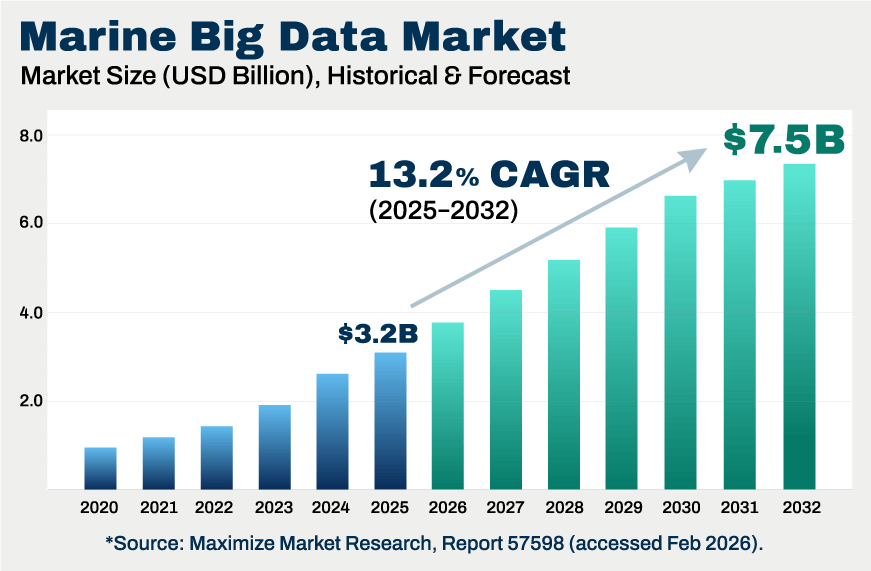
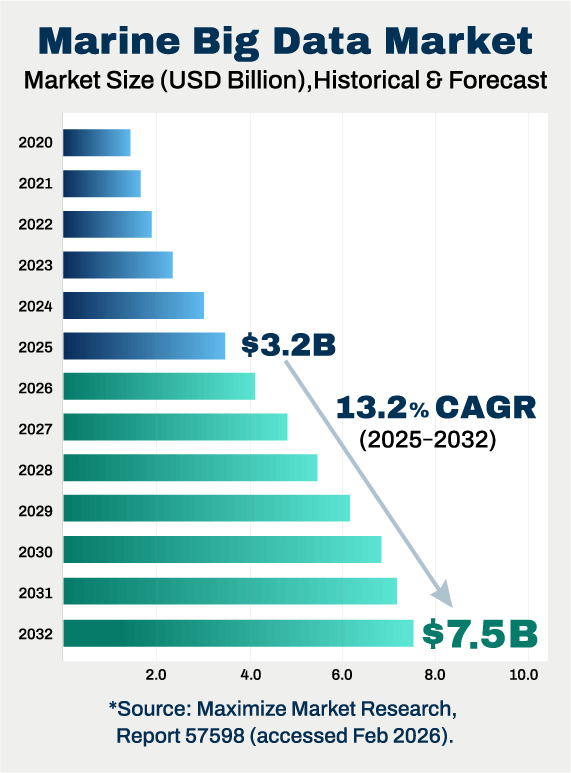
In an increasingly competitive shipping industry, maritime data analysis is the key to reducing costs and ensuring safe operations.
This article explains why maritime data analysis is in demand and how to choose a vessel management system that supports it.
What You Will Learn in
This Article
- Why Maritime Data Analysis Is Needed: From Record-Keeping to Future Prediction and Competitive Advantage
- Where Maritime Data Analysis Creates Value: Voyage Optimization, Maintenance, and Regulatory Compliance
- Practical Use Cases for Maritime Data Analysis: Supplementing and Strengthening Expert Intuition with Data
- How to Choose a Vessel Management System with Maritime Data Analysis Capabilities: Challenges and Fleet Size Are Key
Why Is Data Analysis
Now Essential in Shipping
Operations?
In the past, vessel data was kept primarily as short-term transaction records or for post-incident review. Today, however, advances in AI and IoT have transformed how data is used—shifting toward preventing future problems and driving system improvements.
Now that data can support predictions directly tied to profitability—such as avoiding delays and improving fuel efficiency—implementing a vessel management system with advanced data analysis capabilities is becoming a key competitive differentiator.
Key Application Areas
of Data Analysis
in Maritime Operations
Voyage Optimization
By integrating AIS and weather/sea condition data, the system calculates what are considered optimal routes. This not only reduces fuel consumption but also enables accurate arrival time predictions, minimizing waiting times in port operations and improving fleet schedule management.
Vessel Performance
Monitoring and
Maintenance
Onboard sensors monitor equipment status in real time, and digital twin technology analyzes the data to detect early signs of anomalies for proactive intervention (predictive maintenance). This makes it possible to reduce downtime and repair costs compared to reactive repairs after a failure occurs.
Automated Regulatory Compliance
Based on voyage data, the system automatically calculates CO2 emissions, streamlining compliance with complex environmental regulations such as CII and EEXI. By centralizing everything from data collection to report generation, it helps reduce calculation errors and administrative burden.
Practical Use Cases for
Maritime Data Analysis
In practice, data is shared between ship and shore via vessel management systems. AI analyzes vast logs and sensor data to support decision-making by captains and shore-side managers in the following ways:
- Using subtle vibration data to calculate the probability of future failures, providing numerical backing for the intuition of experienced chief engineers.
- Cross-referencing historical data with forecasts to suggest fuel-efficient routes to the captain, supplementing experience with data-driven insights.
Choosing the Right
Data-Driven Vessel System
The right product varies depending on multiple requirements—such as whether the fleet consists mainly of newbuilds or a mix with existing vessels, and what ship-to-shore communication infrastructure is in place. Choose a technical vessel management system that fits your company's challenges, fleet composition, and regulatory requirements.
POINT
Find the Right System for Your Data Strategy
This site carefully selects recommended vessel management systems by technical area, including technologies for preventing stoppages and damage, tools for optimizing fuel efficiency, CII, and voyages through data, and platforms for bringing together fragmented fleets under a unified foundation.
Editorial Team Summary
Maritime data analysis is no longer the exclusive domain of large shipping companies. It is becoming a prerequisite for shipowners to remain competitive.
To simultaneously achieve cost reduction, improved safety, and environmental compliance, why not start by turning your company's data into a usable asset and considering the implementation of a vessel management system that maximizes the asset value of your entire fleet?
[Advertisement]
3 Recommended
Marine Fleet Management Software
3 Recommended
Marine Fleet Management Software
Advertiser Disclosure:
We receive compensation from some of the companies listed below.This compensation may affect which companies are included and the order in which they appear.
For Frequent Hazardous
or Long-Distance
Voyages
For Marine Fleet
Management Companies
or Long-Distance
Voyages
For Marine Fleet
Management Companies
MaSSA-One

* Image source: BEMAC Official
Website
(https://www.massa-one.com/english/)
(https://www.massa-one.com/english/)
Core Capabilities
Condition monitoring and anomaly detection
- Enables early detection of anomalies using data-driven automatic thresholds and expert-defined multi-condition detection.
- In the event of a failure, real-time data helps speed up root-cause identification, reducing downtime.
- This supports the prevention of future accidents and issues, contributing to reduced damage and losses involving vessels and cargo.
For Companies with
Frequent Business
in the EU
For Marine Shipping
Companies
Frequent Business
in the EU
For Marine Shipping
Companies
DeepSea
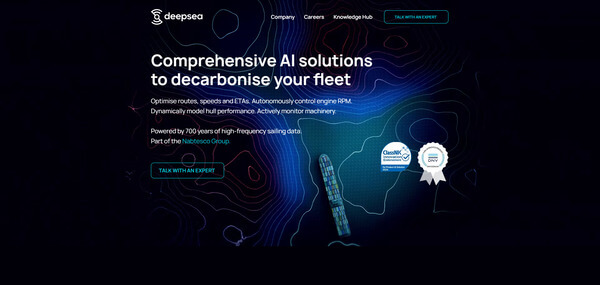
* Image source: DeepSea Official
Website
(https://www.deepsea.ai/)
(https://www.deepsea.ai/)
Core Capabilities
AI Fuel, CII &
Route Optimization
Route Optimization
- With the CII tracking feature, AI helps maintain and predict vessel performance.
- AI dynamically evaluates speeds and routes to suggest more fuel-efficient alternatives
- While complying with Europe-specific restrictions and regulations, it supports operations aimed at lower fuel consumption.
For Fleets with a Mix
of Older and Newly
Built Vessels
For Independent Ship
Management Companies
of Older and Newly
Built Vessels
For Independent Ship
Management Companies
Smart Ship Hub
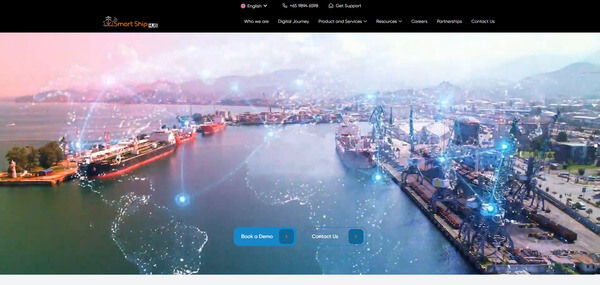
* Image source: Smart Ship Hub Official
Website
(https://smartshiphub.com/)
(https://smartshiphub.com/)
Core Capabilities
Data integration across a mixed fleet
- Supports aggregation of vessel data across different manufacturers and standards, as well as data from multiple vessels.
- Visualizes information distributed across onboard systems and supports building an environment for centralized management.
- Supports information sharing between shore teams and fleets with older vessels, older equipment, newly built vessels and new equipment.